
DRY NEEDLING
FREQUENTLY ASKED QUESTIONS
What is Dry Needling?
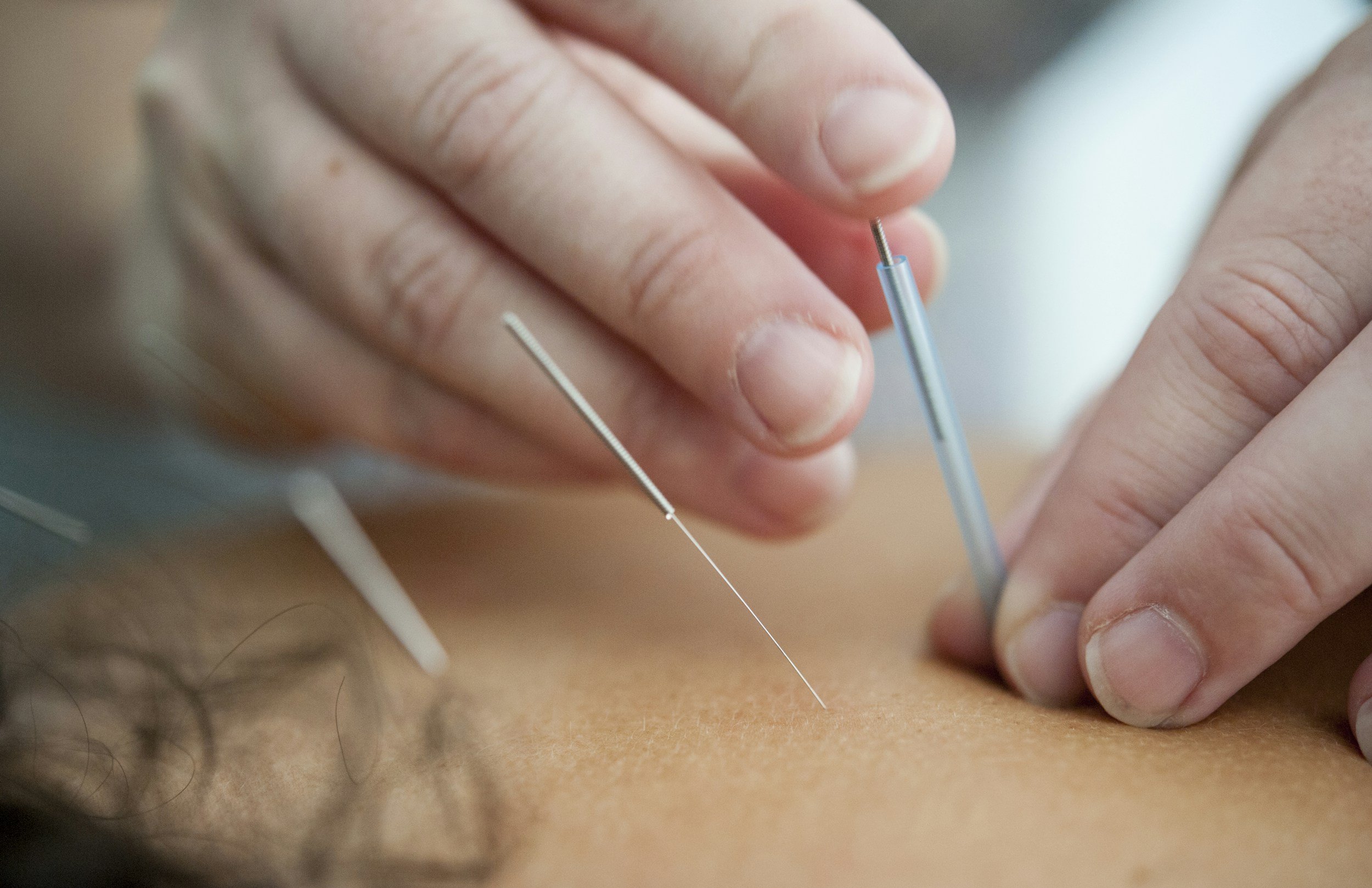
Dry needling is a therapeutic technique used by physical therapists to treat muscle pain, tension, and dysfunction by inserting thin, solid filiform needles into specific areas of the body. It aims to release knots, increase blood flow, and reduce pain, often producing a "local twitch response".
Key Aspects of Dry Needling:
Purpose: It aims to relieve chronic pain, improve range of motion, and speed up recovery from injuries.
Mechanism: The needle causes micro-lesions in the tissue, disrupting the trigger point, increasing blood flow, and stimulating the nervous system to release endorphins.
Procedure: Thin needles are inserted into muscles, often causing a quick, involuntary muscle spasm or "twitch". They may be left in for 10 seconds to 20 minutes.
Conditions Treated: Effective for neck/back pain, tennis elbow, migraines, sciatica, and tension headaches.
Side Effects: Minor, such as temporary soreness, fatigue, or bruising.
Distinction: Unlike acupuncture (based on traditional Chinese medicine), dry needling is based on Western medicine principles of anatomy and neurophysiology.
Dry needling is typically used as part of a larger treatment plan, which may include exercise and other therapies
What are the commonly treated conditions?
TDN is a useful treatment option for people suffering from the following conditions:
Chronic pain
Headaches/Migraines
Scar immobility
TMJ
Muscular tension or restricted motion
And much more…
It is especially effective for those who have not benefited from other treatments.
Who should not receive dry needling?
Contraindications include bleeding disorders, allergies to needles, local infection, a history of blood-borne diseases, or an active tumor.
Patients who are pregnant, who have autoimmune disorders, and who have had recent surgery should use extra precautions with dry needling.
How is it done?
At Direct Source Physical Therapy DN is applied by a Colorado licensed Doctor of Physical Therapy who inserts a needle through the skin and muscle tissue, releasing the tension and causing a twitch response in the muscle. This twitch response can be a sign that the trigger point has been successfully deactivated. Most people describe the feeling as a deep ache or “crampy”; some report mild soreness after the treatment.
Is it safe?
DN is considered safe, and risks are minimal when performed with appropriate precautions, such as using sterile needles and assessing the patient’s medical history and response to treatment. Some people may experience mild discomfort during the procedure, but it is generally well-tolerated. However, as with any medical procedure, there are risks associated with DN, such as infection, bleeding, and pneumothorax, although the likelihood of these complications is considered low (0.1% chance). The needles used for DN are very small and do not have a cutting edge, therefore the likelihood of any significant tissue trauma is very small. With our extensive knowledge of anatomy, we will avoid major nerves and blood vessels.
Do I have to have an injury to receive dry needling?
No, you do not need to be injured to receive the benefits that DN has to offer. DN accelerates the body’s recovery process after high-level activity. Many individuals regularly use DN to recover after a tough run or race, but this treatment is not exclusive to high-level athletes. Many people could benefit from the effects of tension release that is built up from day-to-day activities.